Commercial Solar Maintenance Plans: Inspections, Reporting, and Downtime
This guide examines commercial solar maintenance plans: inspections, reporting, and downtime by looking at the building or service condition, the required assessment, and the risks that matter before purchase or treatment.
Why the condition matters
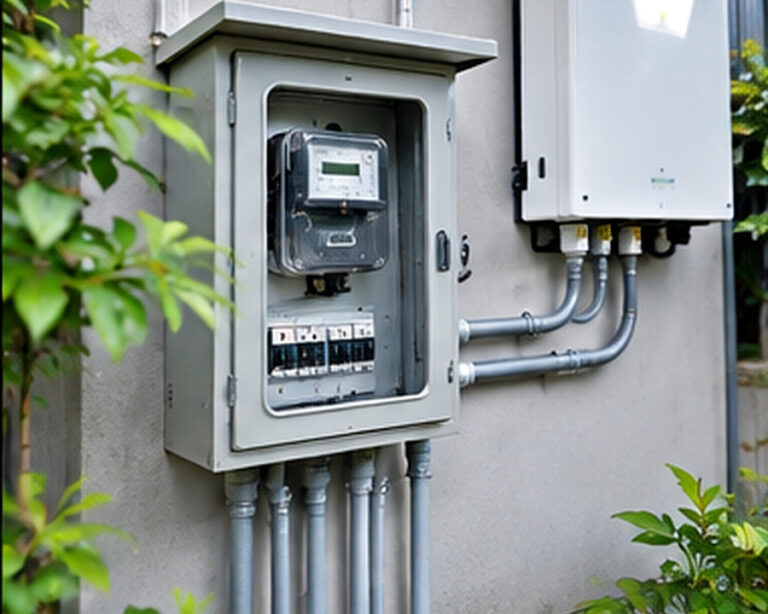
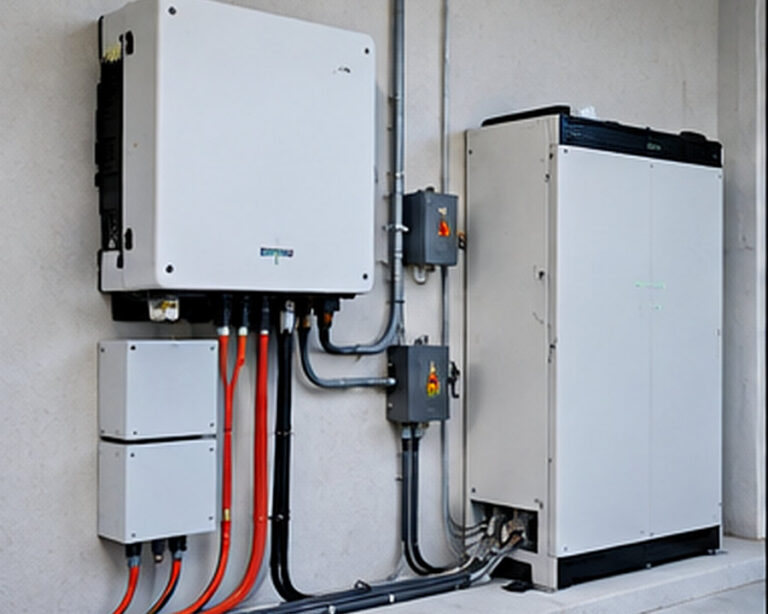
Commercial arrays create electrical, roof access and operational obligations over many years. Maintenance plans should clearly describe what is monitored and what repair work is included.
What an assessment or service should include
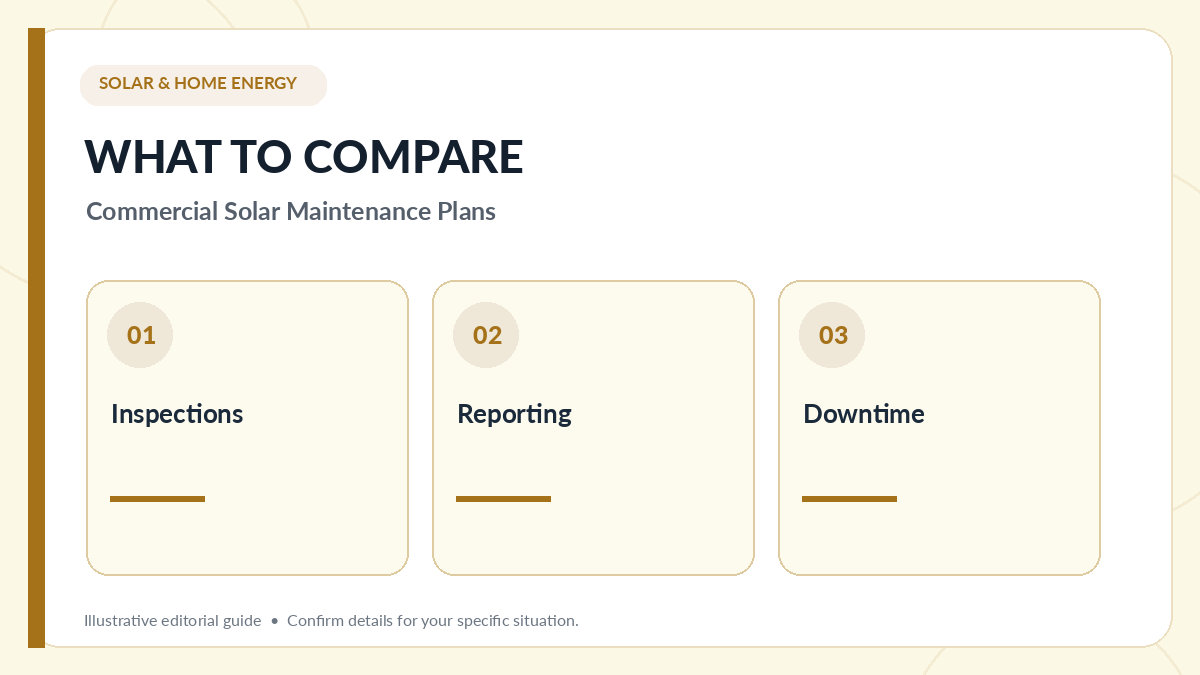
Compare inspection frequency, thermography where appropriate, cleaning, testing, fault response and annual reporting. Ask how the service coordinates with roof warranties and business operations.
Risks and important checks
A low annual fee may exclude inverter replacement, crane access or major repairs. Document service-level terms and escalation procedures.
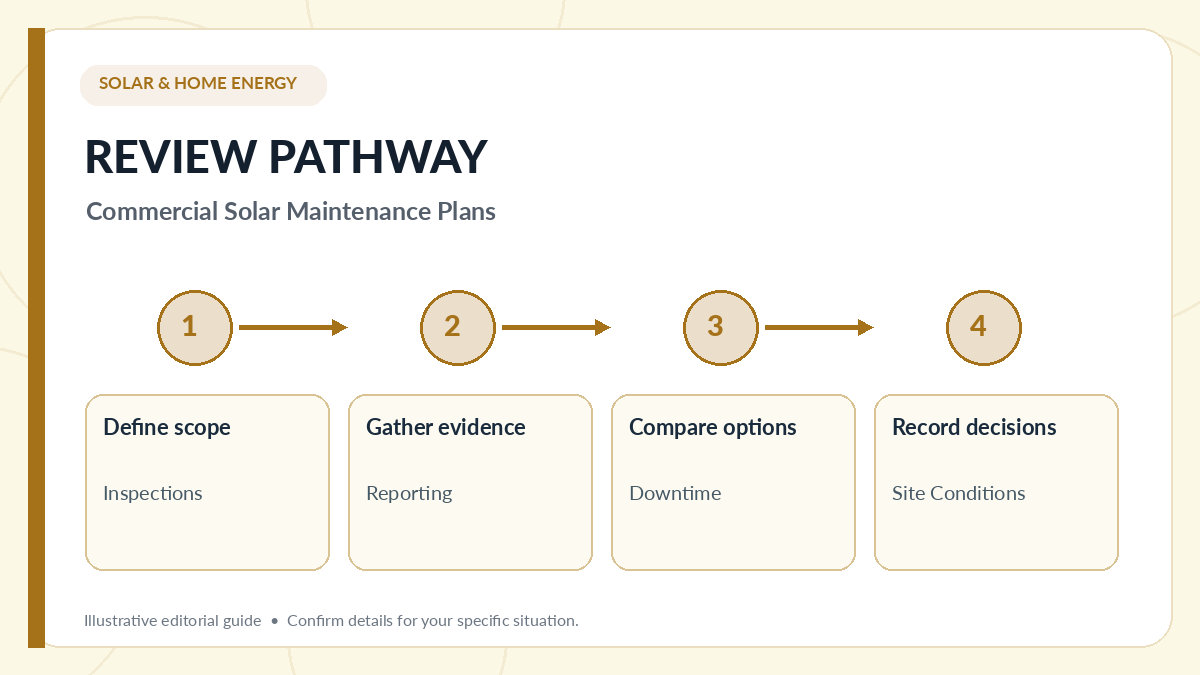
Energy model: A practical verification process
Compare annual production forecasts, the fraction used on site, current tariffs, allowed exports and realistic operating costs. Review physical design, system compatibility, warranties and grid permissions. A calculator showing one fixed payback period without documenting its assumptions is not a reliable investment case.
Compare no fewer than two relevant written offers or assessments when the decision is expensive or consequential. Check the exact work, itemisation, authorisation, exclusions, follow-up responsibility, and which evidence supports the final recommendation. A professional conclusion should be grounded in the particular property, contract or patient circumstances.
How to interpret costs and estimates
An amount advertised online is not an authoritative local quotation. A usable estimate identifies the jurisdiction, date, scope, condition, materials, professional work and allowances. Ask providers to separate required work from optional upgrades and to state what happens if hidden defects, new information or changing circumstances increase the price.
Regional considerations
Readers in the United States, United Kingdom, Canada, Australia, Germany and the Netherlands must verify local requirements. Prices, insurance rules, licencing, professional standards, rebates and terminology are not interchangeable across countries.
Independent resources
For background and updates, consult U.S. DOE: Homeowners Guide to Solar and U.S. DOE: Solar Resources. These resources do not replace the applicable local rules or advice from a qualified professional.
Editorial notice: This article is a general educational guide. Its information should be checked for current rules and relevant facts before publishing; it is not a personalised medical, legal, insurance or financial recommendation.